
Are you looking to improve your website’s visibility on Google? Look no further than Google SEO. With over 3.5 billion searches per day, Google is the go-to search engine for people all around the world. By optimizing your website for Google’s search algorithm, you can increase your chances of appearing at the top of search results and driving more traffic to your site.
But where do you start with Google SEO? First, it’s important to understand the basics of search engine optimization and how it relates specifically to Google’s algorithm. From there, you can dive into specific strategies for optimizing your website, such as keyword research and on-page optimization techniques. Additionally, utilizing tools like Google Search Console and Analytics can provide valuable insights into your website’s performance in search results and help guide ongoing optimization efforts. By focusing on these key factors, you can take steps towards improving your website’s overall search performance and achieving greater success online.
Key Takeaways
- Google SEO involves optimizing websites for Google’s complex algorithm in order to increase visibility and traffic.
- Keyword research is important for identifying search terms related to the business and can play a crucial role in ranking and user accessibility.
- Quality content and technical aspects like mobile-friendliness and page speed are important for effective SEO practices.
- Reliable tools like Google Analytics and Ahrefs can help identify areas for improvement and pursuing a Google SEO certification can provide in-depth knowledge and increase job opportunities.
Google SEO Basics
You gotta understand the basics if you wanna dance with Google’s SEO algorithm. First things first, you need to know that Google uses a complex set of algorithms to rank websites based on various factors like relevance, authority and credibility. So, your goal is to optimize your website in a way that aligns with these factors.
One basic principle of Google SEO is keyword research. This involves identifying the keywords and phrases that people use when searching for products or services related to your business. You should then integrate these keywords in strategic places throughout your website such as page titles, meta descriptions, headers and content.
Another important aspect of Google SEO is link building. This refers to the process of getting other websites to link back to your site. The more high-quality links you have pointing towards your site, the higher it will rank on search engine results pages (SERPs). However, it’s not just about quantity – relevance and authority are also crucial factors when it comes to link building.
Understanding these basics can help you get started with optimizing your website for better search engine visibility. But there’s still much more to learn about search engine optimization guide before you can truly master it. From creating quality content to monitoring analytics data, there are many strategies involved in achieving success with Google SEO.
Search Engine Optimization Guide
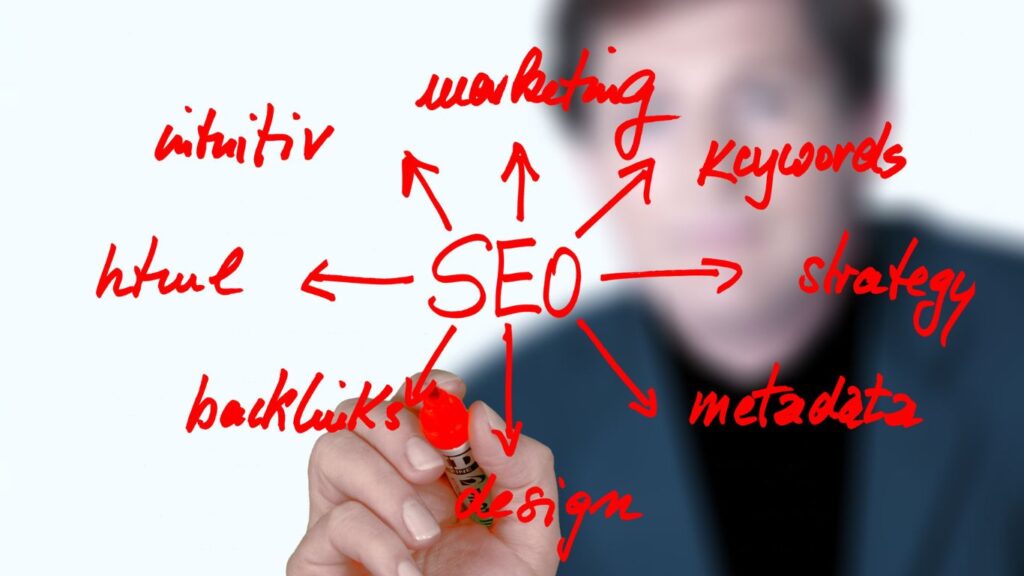
Feeling overwhelmed with optimizing your website for higher search engine rankings? Here’s a simple guide to help you get started. Search Engine Optimization (SEO) is the process of improving your website’s visibility on search engines like Google. By following these steps, you can improve your website’s SEO and rank higher in search results.
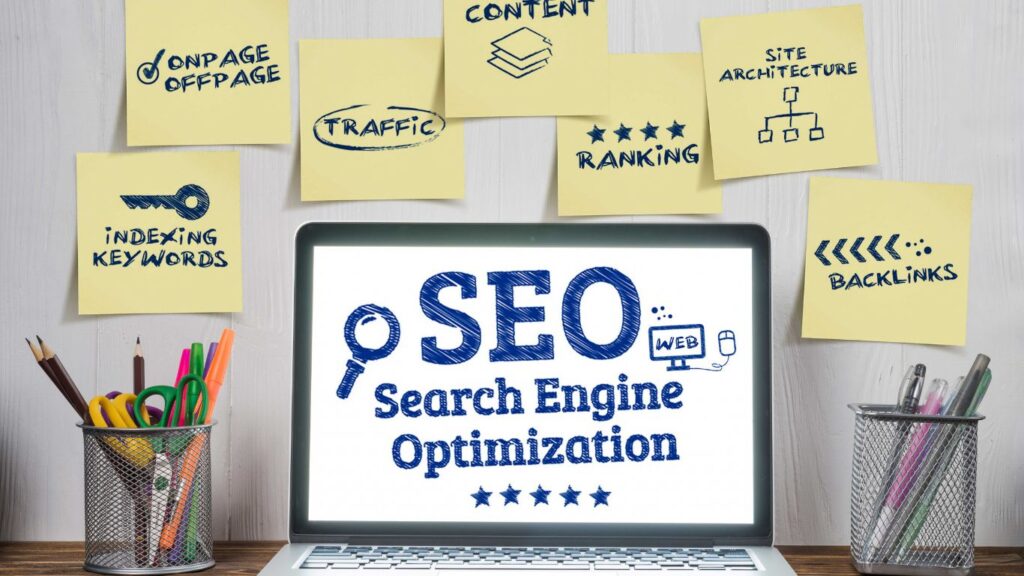
On-Page Optimization | Off-Page Optimization |
Optimize page titles and descriptions | Build high-quality backlinks |
Use header tags (H1, H2, H3) | Guest post on reputable websites |
Include relevant keywords throughout content | Utilize social media platforms |
Improve site speed and mobile-friendliness | Engage in influencer marketing |
Firstly, focus on On-Page Optimization. This refers to changes made within your website to improve its performance on search engines. For instance, ensure that each page has a unique title tag and meta description including relevant keywords. Incorporate header tags (H1, H2, H3) into your content as this helps Google understand the structure of your page. Additionally, using relevant keywords throughout content will signal to Google what topics your website covers.
Next up is Off-Page Optimization which involves building relationships with other websites to improve their perception of yours. Backlinks are links from other sites that direct users to yours; having high-quality backlinks can boost your website’s credibility and ultimately its ranking in search results. Guest posting on reputable websites or utilizing social media platforms can also increase exposure for your brand and attract more traffic to your site.
Optimizing for search engine rankings may seem daunting at first but by breaking it down into manageable steps you can make significant improvements over time. By focusing primarily on On-Page Optimization followed by Off-Page Optimization strategies like building quality backlinks or creating engaging social media content; you’ll see an improvement in both traffic volume and ranking position over time without having to rely on paid advertising. The next section will delve deeper into optimizing for search results by exploring the use of keywords and other strategies.
Optimizing for Search Results
Looking to improve your website’s visibility and attract more traffic? Let’s explore some strategies for optimizing your search results. The first step is to conduct keyword research to identify the terms that potential customers are using to find businesses like yours. Once you have a list of relevant keywords, use them strategically in your website content, page titles, meta descriptions, and image alt tags.
Another important factor in search engine optimization (SEO) is the quality of your website’s content. In addition to incorporating relevant keywords, make sure that your content is informative, engaging, and well-written. This will not only help you rank higher in search results but also encourage visitors to stay on your site longer and ultimately convert into customers.
Pay attention to technical aspects of SEO such as mobile-friendliness, page speed, and security. Google rewards websites that provide a positive user experience with better rankings in search results. By implementing these strategies for optimizing your search results, you can increase your visibility online and attract more potential customers to your business.
Ready to take it up a notch? The next step is setting up Google Search Console – a free tool from Google that provides insights into how users are finding and interacting with your website. With this information at hand, you can fine-tune your SEO strategy even further for maximum effectiveness.
Google Search Console
Get insights into how users are finding and interacting with your website through the free tool, Google Search Console. By verifying ownership of your website, you can access a wealth of data that will inform your SEO strategy. Here are two ways to use Google Search Console to improve search performance:
- Identify top-performing pages: Under the ‘Performance’ tab, you can see which pages are getting the most clicks and impressions from search results. Use this information to optimize these pages further by adding relevant keywords and improving their meta descriptions.
- Monitor crawl errors: The ‘Coverage’ tab shows if there are any issues with how Google is crawling and indexing your site. Fixing these errors will ensure that all your content is visible in search results, which can boost traffic and engagement.
By using Google Search Console regularly, you’ll be able to stay on top of any issues that may be affecting your website’s visibility in search results. This will help you make informed decisions about optimizing your content for better performance.
Now that you know how to use Google Search Console to get insights into user behavior on your site, it’s time to focus on improving search performance even further. One way to do this is by conducting keyword research and incorporating those terms strategically throughout your content.
Improving Search Performance
To improve your website’s search performance, you’ll need to focus on incorporating strategic keywords throughout your content. But how can you identify the most effective terms to use? Start by conducting thorough keyword research using tools like Google Keyword Planner or SEMrush. Look for relevant words and phrases with high search volume and low competition. Incorporate these keywords into your website’s meta descriptions, headers, and body content.
Once you’ve identified your target keywords, it’s important to ensure that they’re being used effectively on your website. Make sure they’re included in URLs, image alt tags, and internal linking structures. Additionally, consider creating dedicated landing pages for specific products or services targeting those keywords.
While incorporating strategic keywords is important for improving search performance, it’s not the only strategy available. An alternative to paid ads is creating quality content that addresses your target audience’s needs and interests. By doing so, you’ll attract organic traffic from users searching for information related to your business or industry. Focus on creating informative blog posts or videos that provide value to potential customers without directly selling them something. This approach will help establish trust with potential customers while also improving your SEO efforts.

Alternative to Paid Ads
Creating quality content that addresses the needs and interests of your target audience is an effective alternative to paid advertising, as it can attract organic traffic and establish trust with potential customers. By providing valuable information or entertainment through blog posts, videos, infographics, or podcasts, you can position yourself as an authority in your industry and build a loyal following. This approach requires a long-term commitment to consistently producing high-quality content that resonates with your audience.
To increase the visibility of your content and attract more organic traffic, you should optimize it for search engines. This involves researching relevant keywords that your target audience uses when searching for information related to your business or products. You should also use descriptive titles, meta descriptions, headings, and alt tags that accurately reflect the contents of your pages. In addition, you can promote your content on social media platforms where your audience is active.
Another way to leverage the power of content marketing is by collaborating with other websites or influencers in your niche. By guest posting on their blogs or featuring them in yours, you can tap into their existing audience and expand your reach. This can also help you build relationships with other players in your industry and create opportunities for future partnerships or collaborations.
Transitioning into the subsequent section about ‘seo best practices’, remember that creating quality content is just one aspect of optimizing for search engines. To fully capitalize on SEO opportunities, you should also focus on technical factors such as site speed, mobile-friendliness, crawlability, indexing issues etc., as well as off-page factors such as backlinks from reputable sources. By following best practices across all these areas and staying up-to-date with algorithm updates and trends in user behavior, you can improve the visibility and relevance of both new and existing content on your website.
SEO Best Practices
Optimizing your website for search engines is like preparing a delicious meal – it requires attention to detail, patience, and the right ingredients. When it comes to SEO best practices, there are several key elements that can help improve your website’s visibility on search engine results pages (SERPs). First and foremost, you should focus on creating high-quality content that is relevant to your target audience and incorporates relevant keywords.
In addition to content creation, you should also pay close attention to on-page optimization factors. This includes optimizing your title tags and meta descriptions with relevant keywords, using header tags to organize content, and ensuring that your website has a clear site structure with easy-to-navigate menus. By making these optimizations, you can make it easier for search engines to crawl and index your site.
Overall, implementing effective SEO best practices can go a long way in improving the visibility of your website on SERPs. However, keep in mind that SEO is an ongoing process that requires consistent effort over time. In the next section about technical SEO tips, we’ll take a deeper dive into some specific strategies for optimizing your website’s technical elements for better search engine performance.
Technical SEO Tips
Improving your website’s technical elements is crucial for boosting its search engine performance and increasing visibility to potential customers. Here are three technical SEO tips that you should consider:
- Optimize your website’s loading speed: A slow-loading website can negatively impact your search engine rankings and user experience. To improve loading speed, you can compress images, minify CSS and JavaScript files, use a content delivery network (CDN), and choose a reliable hosting provider.
- Use descriptive URLs: Descriptive URLs provide both users and search engines with valuable information about the page’s content. You should aim to include relevant keywords in your URLs while keeping them concise and easy to read.
- Implement structured data: Structured data provides context about the content on your website, making it easier for search engines to understand what it’s all about. By implementing schema markup, you can tell search engines vital information about your business, such as location, hours of operation, reviews, prices, events, and more.
By following these technical SEO tips, you can ensure that your website is well-optimized for Google’s crawling algorithms while also providing a better user experience for visitors. In the next section on the impact of keywords on SEO rankings we’ll dive deeper into how keyword research plays an essential role in improving site traffic and engagement with prospective customers.
Impact of Keywords
Just as a chef carefully selects the ingredients for their signature dish, choosing the right keywords is essential for effectively communicating your brand’s message to potential customers. Keywords are words or phrases that describe the content of your website. These words play a crucial role in determining how search engines rank your website and how easily users can find it.
To understand the impact of keywords on SEO, imagine a table with three columns: “Search Intent,””Keywords,”and “Result.”In the first column, list common search queries that users may enter into search engines when looking for products or services related to your business. In the second column, list relevant keywords that match those search queries. Finally, in the third column, note how well your website ranks for those specific keywords. By doing this exercise, you can create targeted content that aligns with user intent and increases your chances of appearing at the top of search engine results pages (SERPs).
Incorporating effective keyword strategies into your SEO plan not only helps improve search rankings but also enhances overall user experience. When done correctly, keyword optimization ensures that visitors to your site find exactly what they’re looking for without getting lost in irrelevant information. As we move forward discussing internal linking strategy in our next section, keep in mind how strategic use of keywords can help guide users through different sections of your website and improve engagement metrics such as time spent on site and bounce rate.
Internal Linking Strategy
Now that you understand the impact of keywords on your Google SEO efforts, let’s talk about how to make the most out of them through internal linking strategy. By linking your pages together, you’re telling Google which pages are important and relevant to each other. This can improve the overall user experience on your website and help boost your search engine rankings.
To maximize the benefits of internal linking, keep in mind these three tips:
- Use descriptive anchor text: When you link one page to another, use anchor text that accurately describes what the linked page is about. For example, instead of using “click here”as anchor text, use a phrase like “learn more about our products”that includes relevant keywords.
- Link from high-authority pages: Pages with higher authority carry more weight when it comes to SEO. By linking from these pages to other important pages on your site, you’re signaling their importance to Google.
- Avoid over-linking: While internal linking can be helpful, too many links on a single page can actually hurt your SEO efforts. Stick to only including links that are truly relevant and useful for users.
By implementing an effective internal linking strategy, you’ll not only improve your search engine rankings but also enhance the user experience on your website. But remember that this is just one piece of the puzzle when it comes to optimizing for Google SEO.
As you continue working towards improving your SEO efforts, it’s important to have access to reliable tools and resources that can help guide you along the way. In the next section, we’ll explore some essential resources every marketer should have in their arsenal for successful Google SEO optimization.
SEO Tools and Resources
Maximizing the benefits of internal linking requires using descriptive anchor text, linking from high-authority pages, and avoiding over-linking. However, to truly excel in improving your website’s SEO performance, you need a set of tools and resources that can help you identify areas for improvement and track your progress. Here are some SEO tools that every website owner should consider:
Tool | Description |
Google Analytics | A free tool that tracks website traffic and user behavior. It provides insights into how users interact with your site and helps you identify areas for improvement. |
Ahrefs | A paid tool that provides detailed information on backlinks, keyword rankings, and content opportunities. It also offers competitor analysis features that can help you stay ahead of the game. |
SEMrush | Another paid tool that offers comprehensive SEO analysis features such as keyword research, site auditing, rank tracking, and more. It also includes social media monitoring capabilities to help you track mentions across multiple platforms. |
Using these tools can help you optimize your website’s performance by identifying areas for improvement and tracking your progress over time. With the right data at your fingertips, you can make informed decisions about where to focus your efforts to achieve maximum results.
To take your SEO strategy even further, consider pursuing a Google SEO certification. This program is designed to provide in-depth knowledge on how to improve search engine rankings through best practices like optimizing content for keywords and building quality links. By becoming certified in Google SEO strategies, you’ll be better equipped to create effective campaigns that drive more targeted traffic to your website.
Google SEO Certification
Earning a certification in SEO strategies can greatly enhance your website’s performance and increase its visibility to potential customers. Recent data shows that businesses that prioritize search engine optimization are 13% more likely to experience positive ROI compared to those who don’t. Here are three reasons why you should consider getting a Google SEO certification:
- Stay up-to-date with the latest trends: Search engines constantly update their algorithms, making it crucial for businesses to stay on top of these changes to maintain optimal search rankings. A Google SEO certification will equip you with the necessary skills and knowledge to keep up with these updates and ensure your website is always performing at its best.
- Improve credibility: Having a Google SEO certification demonstrates your expertise in optimizing websites for search engines, which can improve your credibility among potential clients or employers. It shows that you have invested time and effort into learning about the industry and staying ahead of the game.
- Increase job opportunities: If you’re looking for a career in digital marketing or web development, having a Google SEO certification can give you an edge over other candidates when applying for jobs. Employers often look for individuals who have specialized knowledge in certain areas, and having this certification could make you stand out from the crowd.
As important as having a Google SEO certification may be, it is not the only factor that impacts your website’s ranking on search engines like Google. Another crucial element is customer reviews, which can greatly affect how visible your business appears online. In the next section, we’ll explore how customer reviews impact SEO rankings and what steps you can take to optimize them effectively.
Google Reviews and SEO
Customer reviews play a crucial role in determining the visibility of your website and can significantly impact its ranking on search engines like Google. Positive reviews from satisfied customers can help improve your online reputation, attract new customers, and boost your SEO rankings. In fact, according to a study by Moz, online reviews are one of the top factors that influence local search rankings.
To make the most of customer reviews for SEO purposes, it’s essential to encourage your satisfied customers to leave feedback on platforms like Google Reviews. This not only helps build trust with potential customers but also sends signals to search engines that your business is reliable and trustworthy. Responding to both positive and negative reviews is also important as it shows that you value customer feedback and are committed to providing excellent service.
In addition to improving your SEO rankings through customer reviews, tracking website traffic using tools like Google Analytics can help you identify areas for improvement. By analyzing data such as bounce rates, time spent on site, and popular pages or products/services, you can optimize your website content and user experience for better SEO results.
Google Analytics and SEO
You can gain valuable insights into your website’s performance and user behavior by tracking data with tools like Google Analytics, allowing you to make informed decisions and improve your online presence. By analyzing the data, you can determine which pages are most popular, where visitors are coming from, how long they stay on your site, and what actions they take before leaving. This information helps you identify areas for improvement and adjust your SEO strategy accordingly.
Google Analytics also allows you to track specific goals or conversions, such as newsletter sign-ups or product purchases. By monitoring these metrics over time, you can see whether your efforts are paying off and make changes if necessary. Additionally, Google Analytics provides reports on bounce rates, mobile usage, and other important factors that impact SEO.
Understanding how Google Analytics works is a critical part of any SEO strategy. By regularly reviewing your analytics data and making adjustments accordingly, you can ensure that your website is optimized for search engines and user experience alike. Now let’s move onto understanding the difference between SEO vs PPC to further enhance our online marketing efforts.
Understanding SEO vs. PPC
When it comes to driving traffic to your website, it’s important to understand the difference between SEO and PPC. SEO stands for Search Engine Optimization, which is the process of optimizing your website to rank higher in search engine results pages (SERPs) organically. On the other hand, PPC stands for Pay-Per-Click advertising, where you pay a fee each time someone clicks on one of your ads.
Understanding the differences between these two strategies is crucial because they can both be effective in their own ways. Here are some key factors to consider:
- SEO takes time: It can take anywhere from several weeks to several months before you start seeing significant results from your SEO efforts. However, once you’ve established good rankings, they tend to last longer than PPC results.
- This is because organic rankings are based on various factors such as content quality and relevance that take time to build up and establish credibility with search engines.
- PPC is immediate: With PPC campaigns, you can start seeing results almost instantly after launching them. You have more control over who sees your ads and when they see them compared to organic search listings.
- However, this also means that once you stop paying for ads, traffic will drop off quickly.
Both SEO and PPC have their own pros and cons. While SEO requires more patience and effort upfront but can lead to long-lasting success in terms of organic traffic growth; whereas with PPC campaigns provides instant gratification but come at a cost per click basis. Ultimately choosing which strategy suits best for your business depends on various factors such as budget constraints or goals for specific marketing campaigns.
Conclusion
Congratulations! You have just unlocked the secrets of Google SEO and are now ready to take on the digital world. Think of SEO as your trusty tool belt, equipped with all the necessary tools to climb up the search engine rankings. Just like a carpenter who needs a hammer and nails, you need SEO to build your online presence.
But remember, building something great takes time and effort. Don’t expect overnight success or immediate results. SEO is a marathon, not a sprint. It’s about consistently optimizing your website and content for search engines, while also providing value to your audience.
To succeed in the world of Google SEO, you must be strategic and keyword-focused in your approach. Use data-driven insights to make informed decisions about what works best for your website and target audience. And always keep an eye on the competition – learn from their successes and failures.
In conclusion, mastering Google SEO is no easy feat – but with dedication and hard work, it can be achieved. So put on your tool belt and get ready to climb those search engine rankings!
Frequently Asked Questions
When you search, Google’s algorithm analyzes your query and compares it to the content of websites. It then ranks pages based on relevance, authority, and user engagement. The top results are displayed on the first page.
Improving your SEO without using Google Search Console or other tools is possible, but challenging. Focus on creating quality content that includes relevant keywords and meta descriptions. Utilize social media and backlinking to increase visibility and credibility.
To boost your website’s ranking, high-quality backlinks from reputable sources are crucial. Create engaging content that others want to link to and reach out to bloggers in your industry for guest posts or collaborations.
To optimize your website’s content, focus on both long-tail and short-tail keywords. Short-tail keywords will attract a larger audience, while long-tail keywords are more specific and can lead to higher conversion rates. Conduct keyword research to find the best combination for your site.
Yes, social media activity can impact your website’s SEO and search rankings. Engaging with followers and promoting content can increase visibility and backlinks, boosting authority and improving search engine results.
Google SEO refers to the practice of optimizing websites and content to improve their visibility and rankings in Google’s search engine results pages (SERPs). It involves various strategies and techniques aimed at increasing organic (non-paid) traffic from Google.
SEO itself is a free practice that focuses on improving organic search visibility. However, implementing effective SEO strategies may require investments in tools, resources, and expertise. While Google provides various free tools and resources to aid in SEO, optimizing a website to rank well organically typically involves time and effort.
Becoming a Google SEO specialist involves gaining knowledge and expertise in optimizing websites for better visibility in Google search results. This can be achieved through self-study, online courses, certifications, and practical experience. Staying updated with Google’s algorithm changes and best practices is essential in becoming proficient in Google SEO.
Google does not charge for organic SEO. It is focused on improving your website’s visibility in search results without payment to Google. However, Google does offer paid advertising platforms like Google Ads that allow businesses to pay for increased visibility in search results through paid search ads.
Google’s organic search rankings are determined algorithmically based on various factors, and payment does not directly influence them. However, if you’re interested in paid advertising and want to appear at the top of search results, you can set up and manage paid campaigns through platforms like Google Ads.
SEO itself does not require direct payment to search engines. It involves optimizing your website, content, and online presence to improve organic rankings and visibility. However, investing in SEO may require expenses for tools, hiring experts, content creation, or other related services.
The cost of hiring someone for SEO services can vary based on factors such as their expertise, the scope of the project, and the level of competition in your industry. SEO service fees can range from a few hundred to several thousand dollars per month. It’s important to evaluate the value and expertise the SEO professional or agency brings to determine a fair price.
Google offers various certifications related to its products and services, including Google Ads and Google Analytics. These certifications have different costs, ranging from free to several hundred dollars. However, Google does not offer a specific certification solely for SEO.
The duration of Google SEO courses can vary depending on the specific course and your pace of learning. Some courses may be completed in a few hours or days, while more comprehensive courses can take several weeks or months to finish.
Implementing effective SEO strategies can help increase organic traffic to your website, which can lead to more visibility, brand exposure, and potential revenue opportunities. However, the direct financial impact of SEO may vary depending on factors such as your business model, industry, and the effectiveness of your SEO efforts.
Google SEO involves optimizing various aspects of your website, such as content, structure, and technical elements, to make it more relevant and valuable to users and search engines. This includes keyword research, on-page optimization, technical optimization, link building, and user experience improvements. The goal is to improve your website’s visibility and rankings in Google’s search results.